 As the year winds down, many women notice they’re exhausted in ways sleep alone doesn’t fix.
You are probably still functioning and doing all of your normal activities: working, caring for others, organizing, and doing your best to show up, yet you are aware that your energy is decreasing quickly. Your patience is shorter. Rest doesn’t restore you. And the idea of having to do any holiday activities, on top of your everyday responsibilities, feels so draining.
This isn’t a statement that you are “not enough.” It’s more about how your body feels, especially your nervous system, as it moves towards burnout.
For many women, year-end fatigue isn’t just because the holidays are here; it’s the cumulative effect of ongoing stress, caring for everyone, and months of putting yourself last. By December, your body and mind are simply asking to be supported.
Why Stress Feels Heavier at the End of the Year
Stress doesn’t show up all at once; it builds slowly and quietly over the year, so that it feels like a normal state of your life. Throughout the year, women often:
- Take responsibility for everyone’s needs.
- Push through tiredness to meet what they believe is expected of them.
- Say I will rest when things slow down.
- Thinking they will have time to take care of themselves later.
By year-end, it will be later, and your system will be ready for relief.
Hormonal shifts, shorter days, disrupted routines, and emotional issues can increase stress, making fatigue feel deeper. Listen to this fatigue as it is feedback telling you it’s time to add self-care into your life.
Awareness Is the First Step in Stress Management for Women
Before reducing stress, fixing sleep, or preventing burnout, there’s one essential step: awareness without judgment.
Instead of asking, “Why can’t I keep up?” Try asking, “What has this year demanded of me?”
Awareness moves you out of self-criticism and into supporting yourself. It reminds you that your personal journey towards calm doesn’t come from pushing harder, but from listening more closely to your needs.
A Reflection to Begin a Calm Finish
You don’t need goals, plans, or major decisions right now; instead, start noticing that where you are is enough. A calm finish doesn’t begin with action. It starts with recognizing where you are, how much stress you are carrying, and a desire to honor that you can take care of yourself.
In the next post, we’ll gently explore how to identify where your energy may be quietly leaking and how small, realistic shifts can begin to restore your well-being without feeling overwhelmed.
Your Thoughts
Take a moment to reflect and write down your responses to the following questions. This is your gentle starting point to slowly stepping into your self-care:
- Where do I feel most depleted right now: physically, emotionally, or mentally?
- What responsibilities or expectations have impacted me the most this year?
- Have I been judging my tiredness instead of listening to it?
- What would “finishing the year gently” look like for me?
There’s nothing to fix here. This is about naming what’s true for you, because awareness itself begins to restore balance.
Women’s Group Topic: Beginning with Awareness
This topic is ideal for opening a women’s group or year-end gathering, as it sets a tone of compassion rather than comparison. Here are some questions to start the conversation:
- What does “end-of-year exhaustion” look like for you this year?
- Where do you notice stress showing up most in your body or emotions?
- How were you taught to respond to tiredness, push through, or slow down?
- What would it feel like to finish the year without judging yourself?
Encourage participants to listen without fixing, advising, or minimizing. Sharing is usually the first step towards caring for oneself.
Additional Reading
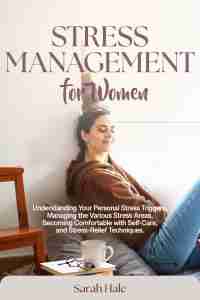
For additional support, Stress Management for Women by Sarah Hale offers practical, compassionate tools to help women reduce stress, prevent burnout, and restore balance.
Be well,
Pat
Other Topics You May Be Interested In
The Quiet Power of Listening to Yourself
Letting Go of Self-Judgment: A Kinder Way to Be You
Are You Carrying Hidden Stress: 10 Signs You Might Be