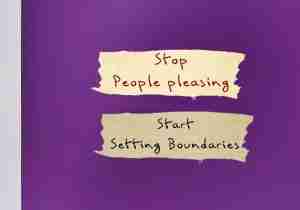
 A guide for women who are done saying “yes” when they really mean “no.”
Let’s be real: setting boundaries can feel… icky. Like you’re letting someone down, being “difficult,” or—bringing in the guilt trip—not being nice. But here’s the truth: boundaries aren’t walls. They’re bridges to healthier, more balanced relationships—with others and with yourself.
When women constantly stretch themselves to meet everyone else’s needs, stress builds up quietly. You may start to feel overwhelmed, resentful, or exhausted. And still, guilt creeps in the moment you try to reclaim your time or energy.
So, how do you draw a line without the emotional aftermath? Let’s break it down.
First, Define What a Boundary Really Is
A boundary isn’t about pushing people away. It’s about protecting what matters to you, your time, energy, and peace of mind. Think of it as a quiet, loving way to say:
“This is what I need to show up well—for myself and others.”
Why You Might Feel Guilty (And Why That’s Okay)
Guilt shows up when you’ve been conditioned to prioritize others, whether it’s from family roles, cultural expectations, or people-pleasing habits. If you were praised for being “the helper” or “the reliable one,” then setting boundaries might feel like breaking the rules.
But guess what? Feeling guilty doesn’t mean you’re doing something wrong. It just means you’re doing something new.
Practical Tips to Set Boundaries Without the Guilt Hangover
- Start Small, Stay Kind
Try something low-stakes to begin with—like not answering work emails after 7 p.m. or saying “no” to a last-minute favor. You don’t have to explain yourself. You have to practice.
- Use Clear, Compassionate Language
You can be both kind and firm. Try:
- “I’d love to help, but I don’t have the capacity right now.”
- “That doesn’t work for me, but I hope you find what you need.”
- “I’m choosing to focus on my well-being and can’t commit to that right now.”
- Expect Discomfort, Not Disaster
People may be surprised or even push back when you begin to set boundaries. That’s normal. Stay calm, restate your needs, and remember—you’re allowed to take up space.
- Notice the Relief
Instead of only focusing on the guilt, tune into what you gain. More energy. Less resentment. The joy of being intentional with your time.
- Use a Journal to Process Guilt
Ask yourself:
- “What am I afraid will happen if I say no?”
- “Is this guilt trying to protect me—or keep me stuck?”
- “What would I tell a friend who feels guilty for setting this boundary?”
A Gentle Affirmation
“I am allowed to take care of myself. Setting boundaries is a gift to myself and my relationships.”
Say it. Write it. Stick it on your bathroom mirror if you need to. You deserve boundaries that reflect your worth, not your guilt.
Your Next Gentle Step
Pick one place where you’re feeling drained, overwhelmed, or taken for granted. What’s one small boundary you can set this week?
And if this post resonates with you, there’s so much more support inside Stress Management for Women by Sarah Hale—including scripts, mindset shifts, and real-life practices to help you feel more grounded, confident, and free.
Because setting boundaries isn’t selfish, it’s a matter of self-respect.
Your Thoughts
Do you struggle to establish clear boundaries with others? Do you find yourself overwhelmed because you can’t say “no?” Take some time to reflect on this and consider where your boundaries are being crossed, as well as how you can release your need to please others.
Women’s Group Topics
Society places a demand on women to be nurturers and givers, and does not necessarily focus on taking care of themselves. So, discuss with each other how you have allowed others to cross boundaries, when you felt uncomfortable and didn’t want to do something, yet felt you had no choice.
Be well,
Pat
Other Topics You May Be Interested In
Tapping into Your Intuition for Everyday Decisions
Are You Feeling Tired
The Stress Quartet