Most women don’t wake up one morning and suddenly realize they need healthier boundaries.
Instead, life slowly teaches them to put everyone else’s needs first. They become the dependable one at work. The person family members call when they need help. The friend who always listens. The woman who keeps everything running smoothly, often without anyone noticing how much she is carrying.
At first, it may feel rewarding to be needed. But over time, constantly saying yes can become exhausting. You may begin feeling physically drained, emotionally depleted, or quietly resentful without fully understanding why.
The truth is that unhealthy boundary patterns rarely appear overnight. They develop gradually through years of habits, expectations, and beliefs about who you should be. Eventually, over-giving becomes so familiar that it simply feels normal.
Many women tell themselves:
- “I should be able to handle it.”
- “They need me.”
- “I don’t want to disappoint anyone.”
- “I’ll take care of myself later.”
These thoughts often come from a caring heart. Yet when they become your daily reality, they can leave very little room for your own well-being.
One of the most challenging parts about boundaries is that many of us don’t recognize when they have slowly disappeared. We assume we’re simply being responsible, dependable, or loving. We adapt to increasing demands without realizing the emotional and physical cost.
That is why awareness is such an important first step. Before you can create important boundaries, it helps to understand your current patterns. Not to criticize yourself, but to gently notice how you move through your days.
- Pay attention to the moments when you automatically agree to something before considering your own needs.
- Notice when you feel guilty for saying no.
- Observe the situations that leave you feeling frustrated, overwhelmed, or emotionally drained.
These experiences are not signs that something is wrong with you. Instead, they offer valuable clues about where your boundaries may need strengthening. Clear boundaries begin with curiosity rather than judgment. Instead of asking, “What’s wrong with me?” try asking yourself:
- What situations leave me feeling depleted?
- Where do I consistently put myself last?
- What am I afraid might happen if I say no?
- Which responsibilities truly belong to me, and which have I simply taken on over time?
You may be surprised by what you discover. Maybe you’ve been carrying responsibilities that were never yours to begin with. You’ve confused being helpful with being responsible for everyone else’s happiness. Or maybe you’ve spent so many years meeting other people’s expectations that you’ve lost sight of your own needs.
There is no shame in recognizing these patterns. Every insight becomes an opportunity to make a different choice. Remember, strong boundaries aren’t about becoming less caring or less generous. They’re about creating a life where your kindness includes yourself as well.
You don’t have to change everything at once. In fact, lasting change usually happens through small moments of awareness followed by small acts of courage. The next time you feel stretched too thin, pause for a moment before automatically saying yes.
Ask yourself: “Is this something I truly have the capacity for right now?” That simple question can begin changing the way you care for yourself.
Discovering your boundary patterns isn’t about finding fault. It’s about understanding yourself with greater compassion. As your awareness grows, you’ll begin to recognize the places where small changes can create a greater sense of peace, balance, and emotional well-being.
Every boundary begins with one simple realization: Something needs to change. And recognizing that may be the most important step of all.
As you become more aware of your boundary patterns, remember that change doesn’t happen all at once. Every time you pause, reflect, and choose to honor your own needs, you’re taking a meaningful step toward a healthier, more balanced life.
Healthy boundaries aren’t about pushing people away. They’re about creating space for your well-being so you can show up more fully for yourself and for the people you care about.
Your Thoughts
Have you ever questioned what boundaries you have in your life? Do you feel a need for physical, emotional, and mental boundaries to reduce the stress you carry? If you are feeling overwhelmed, then it’s likely you have a boundary issue.
Women’s Group Topic
Women are known for being caregivers in so many areas of their lives. Come together to discuss whether you are feeling overwhelmed, burned out, or having an endless list of things to do, and how you can reduce those experiences by creating boundaries in at least one area of your life. Help each other understand ways to set boundaries across the various roles we hold in each of your lives.
 In the Women’s Topics Series, a new book:
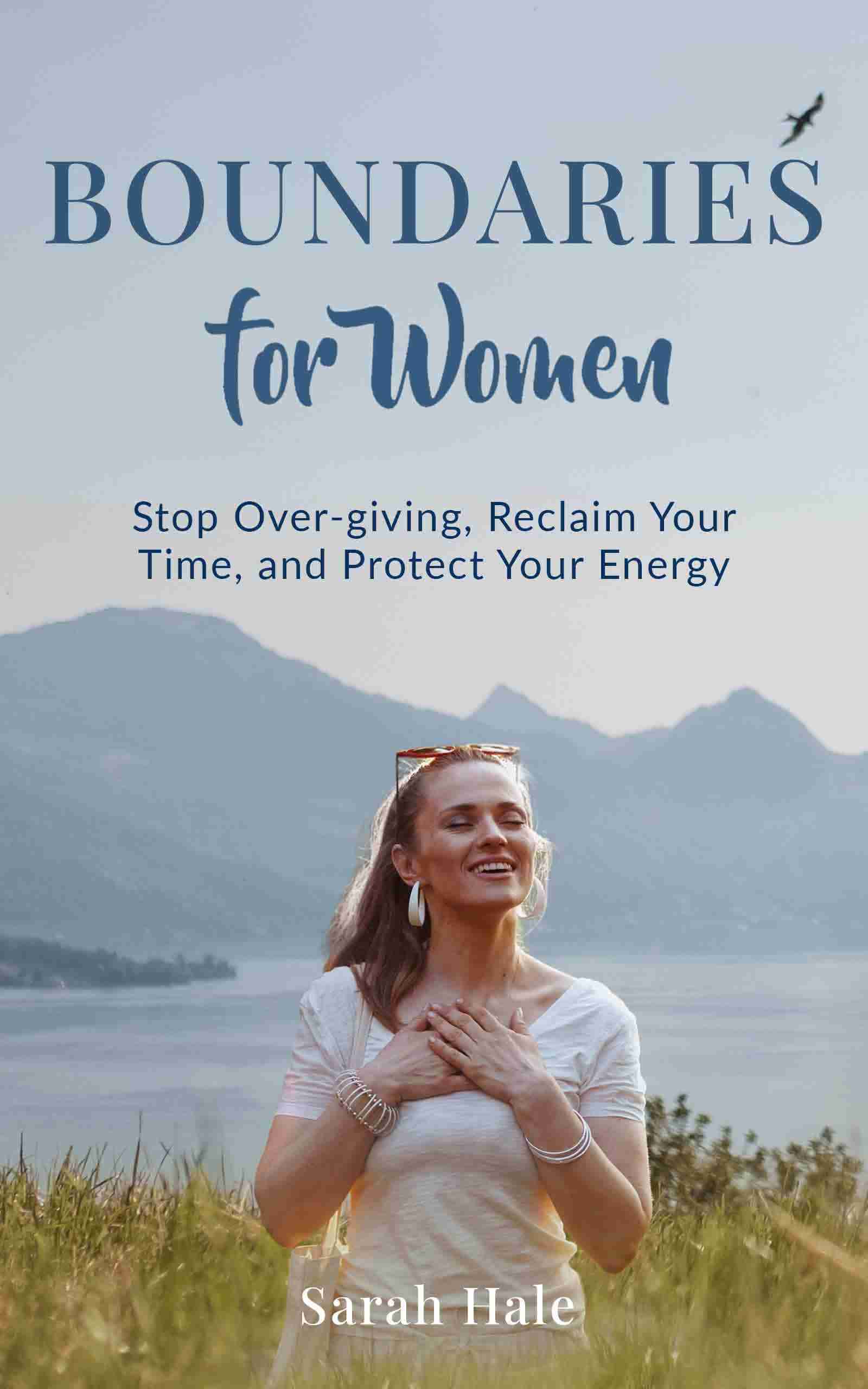
“Boundaries for Women: Stop Over-giving, Reclaim Your Time, and Protect Your Energy” is about ready to be launched.